
Study in Canada: Study Permit Guidance for International Students
Understanding study permit requirements, financial capacity, institutional eligibility and future work permit options is important. Canada offers international students access to universities, colleges and career-focused education. But choosing a study program is only one part of the process.
At T&A Immigration Consultants Inc., we help prospective students understand Canadian immigration requirements and prepare study permit applications based on their individual circumstances.
Why professional guidance matters

Planning to Study in Canada? Start With the Right Immigration Strategy.
A letter of acceptance does not automatically mean that a study permit will be approved.
Before submitting an application, you should understand:
Whether your chosen institution is a Designated Learning Institution (DLI).
Whether your intended program meets applicable study permit requirements.
Whether a Provincial or Territorial Attestation Letter (PAL/TAL) is required.
Whether you can demonstrate sufficient financial resources.
Whether your education plans are consistent with your previous academic and professional background.
Whether your application adequately addresses your reasons for studying in Canada.
A well-prepared application should explain your circumstances, study plans and supporting evidence clearly.
Take the First Step Towards Studying in Canada
Every student’s circumstances are different. Before investing in tuition fees and preparing an application, understand the immigration requirements that apply to your situation.
Whether you are planning to study in Canada for the first time or need assistance with an existing study permit application, T&A Immigration Consultants Inc. can help you understand your options.
Not sure whether your study plans make sense from an immigration perspective?
Start with an individual assessment of your circumstances.
Study permit eligibility
If you plan to study in Canada for more than six months, you will generally need a study permit, subject to applicable exemptions.
To qualify, you must satisfy the applicable IRCC requirements, which may include.

1. Letter of Acceptance
Obtain an acceptance letter from a Canadian Designated Learning Institution (DLI).

2. Proof of Financial Support
Demonstrate that you can pay tuition, living expenses and transportation without relying on employment in Canada.
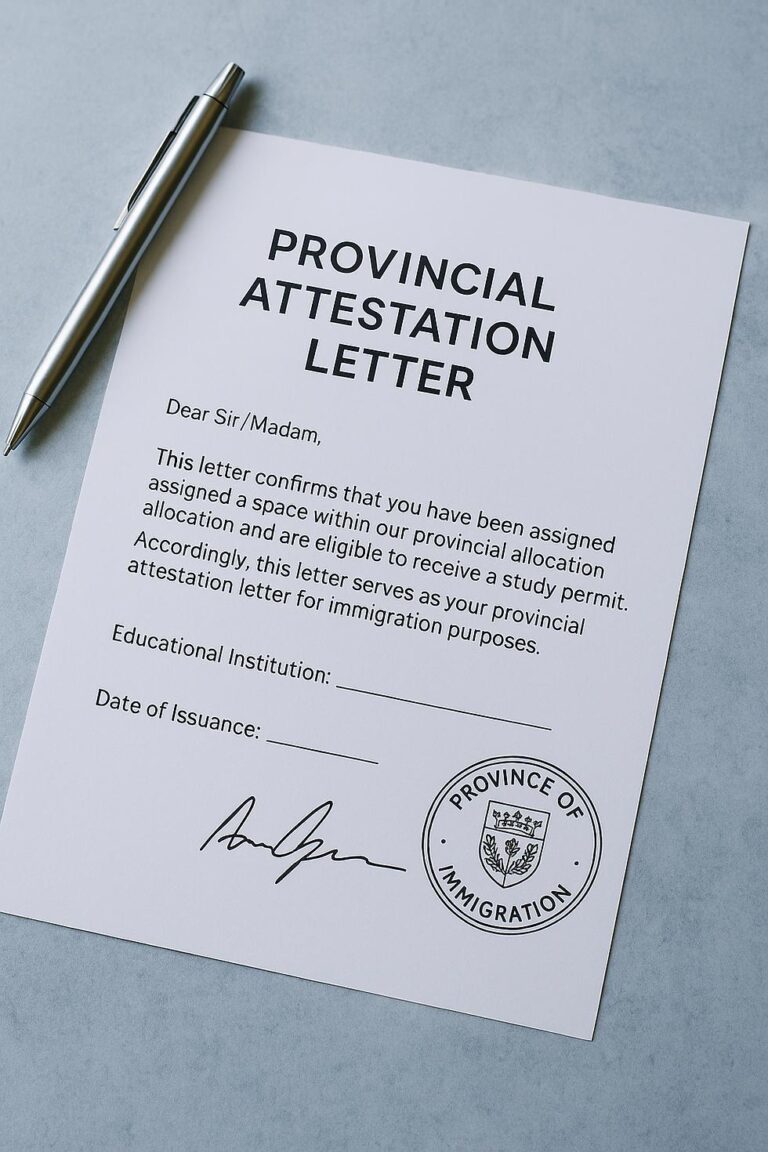
3. PAL/TAL or Applicable Exemption
Most applicants require a provincial or territorial attestation letter, although exemptions apply to certain students and programs.
4. Identity and Supporting Documents
Provide a valid passport and other required documents, including biometrics or medical examination evidence where applicable.

5. Genuine Study Purpose
Explain your academic plans, reasons for choosing the program and how the proposed studies fit your circumstances.
The exact requirements depend on your circumstances and where you apply from.
Choosing a Designated Learning Institution (DLI) in Canada
Before applying for a Canadian study permit, it is important to understand the difference between a DLI and a PGWP-eligible program.
A school may be a DLI without every program it offers being eligible for a Post-Graduation Work Permit.
Before making an education decision, consider:
The institution’s DLI status.
Whether the specific program is PGWP-eligible.
The credential and program duration.
The applicable field-of-study requirements.
The institution’s location and your academic objectives.
The relationship between your previous education and proposed studies.
Important: Do not choose a program solely because someone promises that it will lead to a work permit or permanent residence.
Explore our separate guide:
International Students Working while studying in Canada
Eligible international students may work off campus without a separate work permit, subject to their study permit conditions and applicable requirements.
Currently, eligible students can generally:
Work up to 24 hours per week during regular academic sessions.
Work unlimited hours during scheduled academic breaks, provided they meet the applicable conditions.
Work on campus where they meet the relevant requirements.
Students must continue to meet the conditions of their study permit.
Post-Graduation Work Permit (PGWP) After Studying in Canada
Many international students consider the possibility of working in Canada after graduation.
The Post-Graduation Work Permit Program allows eligible graduates to obtain an open work permit, subject to applicable requirements.
However, graduating from a Canadian college or university does not automatically make you eligible for a PGWP.
Eligibility may depend on:
Whether your institution is PGWP-eligible.
Whether your specific program qualifies.
Your level of study and program duration.
Language proficiency requirements.
Field-of-study requirements, where applicable.
Your study permit application date and other eligibility conditions.
Our Services include:
Applying for a study permit involves more than completing forms. Your application should present a clear and consistent picture of your educational background, financial circumstances and study intentions.
At T&A Immigration Consultants Inc., we provide immigration guidance based on your individual circumstances.
Our assistance may include:
Reviewing your study permit eligibility.
Assessing your proposed study plans from an immigration perspective.
Reviewing DLI and PGWP-related immigration considerations.
Identifying relevant document requirements.
Reviewing financial supporting documents.
Reviewing your study plan and supporting explanations.
Preparing and reviewing study permit applications.
Providing guidance on study permit refusals and possible next steps.
We believe in providing clear advice about your options, requirements and potential challenges rather than making promises about immigration outcomes.